
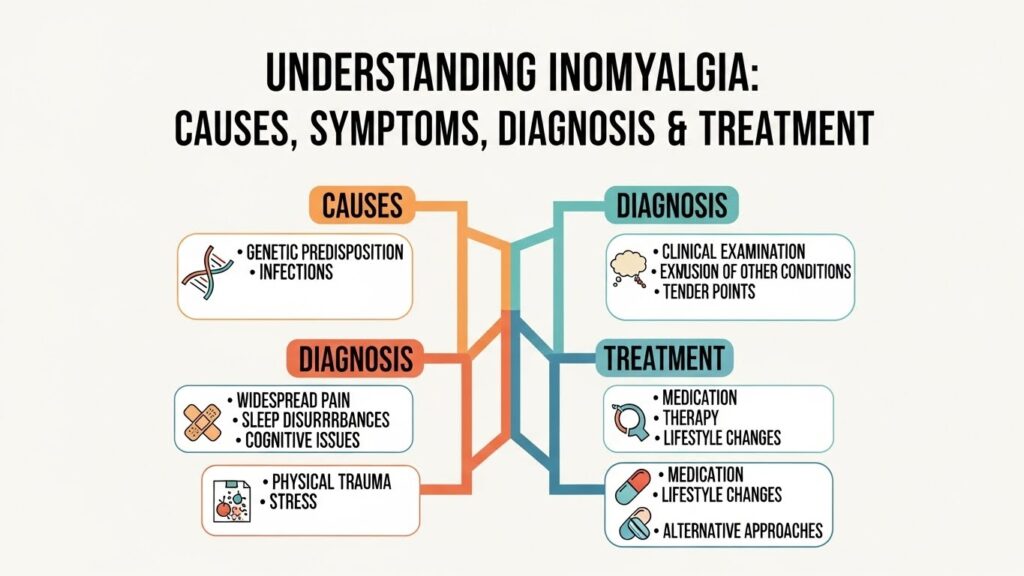
Living with chronic pain can be a daily struggle, and for many, the term “Inomyalgia” might not even ring a bell. Yet, this condition affects countless individuals around the globe, leading to unrelenting discomfort and fatigue. Understanding Inomyalgia is vital for those who experience its symptoms or know someone who does. This blog post will unravel the complexities of Inomyalgia—its causes, signs to look out for, diagnostic methods, and various treatment options available today. By shedding light on this often-misunderstood illness, we hope to empower readers with knowledge that could change their lives or help them support loved ones in need. Let’s dive in!
What is Inomyalgia?
Inomyalgia is a chronic pain condition characterized by widespread muscle discomfort and fatigue. It often mimics other ailments, making diagnosis challenging. Unlike typical muscle soreness that fades away, Inomyalgia’s symptoms can persist for months or even years.
Individuals with this condition may experience stiffness in their muscles and joints, leading to reduced mobility. The pain can fluctuate in intensity, sometimes becoming so severe that it interferes with daily activities.
One of the unique aspects of Inomyalgia is its potential link to psychological factors like stress and anxiety. This connection complicates both understanding and treatment as emotional well-being plays a crucial role in managing symptoms.
Researchers are still exploring the exact mechanisms behind Inomyalgia but believe it involves disruptions in how the brain processes pain signals. This ongoing research aims to provide better insights into effective management strategies for those affected by this complex condition.
Causes of Inomyalgia
The exact causes of Inomyalgia remain elusive, making it a complex condition to understand. Researchers suggest that genetic factors may play a role in its development. If you have family members with similar symptoms, the likelihood increases.
Environmental triggers are another aspect worth considering. Stressful life events or trauma can contribute to the onset of this condition. Hormonal changes might also influence symptom severity, especially in women.
Additionally, certain infections could be linked to Inomyalgia. Viral illnesses like Epstein-Barr virus have been studied for potential connections.
Some studies point towards abnormalities in pain processing within the nervous system as a contributing factor too. This suggests that individuals with Inomyalgia might experience heightened sensitivity to pain signals.
Common Symptoms of Inomyalgia
Inomyalgia presents a range of symptoms that can significantly impact daily life. One of the hallmark signs is widespread muscle pain. This discomfort often feels akin to soreness or stiffness and may be persistent.
Fatigue is another common symptom, leaving individuals feeling drained even after a full night’s sleep. This exhaustion can affect concentration and productivity.
Sleep disturbances frequently accompany inomyalgia as well. Many patients report difficulty falling asleep or staying asleep, which exacerbates their overall sense of fatigue.
Cognitive issues, often referred to as “fibro fog,” manifest as confusion or forgetfulness. Simple tasks may become challenging due to this mental cloudiness.
Additionally, emotional symptoms like anxiety and depression are not uncommon in those dealing with inomyalgia. The combination of physical pain and emotional strain can create a complex cycle that’s tough to break free from.
Diagnosing Inomyalgia
Diagnosing Inomyalgia can be a complex process. Healthcare providers often begin with a comprehensive medical history and physical examination. They will inquire about symptoms, duration, and any potential triggers.
There are no definitive tests for Inomyalgia. Instead, doctors may rely on the exclusion of other conditions that exhibit similar symptoms. Blood tests or imaging studies might be ordered to rule out issues such as rheumatoid arthritis or fibromyalgia.
A key aspect of diagnosis is identifying tender points in specific areas of the body. These sensitive spots help confirm the presence of Inomyalgia.
Sometimes, specialists like rheumatologists are involved to ensure accurate assessment and appropriate care tailored to individual needs. It’s essential for patients to openly communicate their experiences during these evaluations for effective results.
Treatment Options for Inomyalgia
Treatment for Inomyalgia varies based on individual symptoms and severity. Medications are often the first line of defense. Over-the-counter pain relievers like ibuprofen or acetaminophen can help alleviate discomfort.
Prescription medications may be necessary in some cases. Doctors sometimes recommend muscle relaxants or antidepressants to manage chronic pain and improve sleep quality.
Physical therapy plays a crucial role too. Tailored exercises can enhance mobility and strength while reducing stiffness. Regular sessions with a trained professional make a significant difference.
Alternative therapies like acupuncture, massage, and yoga also show promise for managing symptoms. These holistic approaches focus on relaxation and stress relief, contributing positively to overall well-being.
Lifestyle modifications cannot be overlooked either. A balanced diet rich in anti-inflammatory foods combined with regular exercise routines fosters better health management for those living with this condition.
Lifestyle Changes to Manage Inomyalgia
Managing inomyalgia often requires embracing lifestyle changes that can alleviate symptoms and improve overall well-being.
Start by incorporating a balanced diet rich in anti-inflammatory foods. Fresh fruits, vegetables, whole grains, and lean proteins can make a significant difference. Staying hydrated is equally important; water aids digestion and helps regulate the body’s functions.
Regular exercise plays a crucial role as well. Gentle activities like walking, yoga, or swimming promote flexibility without overstraining your muscles. Aim for consistency rather than intensity.
Mindfulness practices such as meditation or deep breathing exercises help reduce stress levels. Stress often exacerbates pain and discomfort associated with inomyalgia.
Sleep hygiene shouldn’t be overlooked either. Establishing a regular sleep schedule creates better rest patterns that allow your body to recover more effectively during the night.
Small adjustments can foster an environment conducive to healing while enhancing daily life quality significantly.
Coping Strategies and Support for Those Living with Inomyalgia
Living with Inomyalgia can be challenging, but there are effective coping strategies that can make a difference. Establishing a daily routine helps bring structure to your day. It allows you to manage pain and fatigue more effectively.
Connecting with others who understand your journey is vital. Support groups—either in-person or online—provide a safe space to share experiences and tips. Engaging with people who face similar challenges fosters connection and reduces isolation.
Mindfulness practices such as meditation or deep-breathing exercises offer relief from stress. These techniques promote relaxation, which may ease symptoms.
Physical activity, when done gently, can also help improve overall well-being. Simple stretching or light yoga enhances flexibility without overwhelming the body.
Consider journaling about your feelings and experiences related to Inomyalgia. This practice not only clarifies emotions but also tracks patterns that might emerge over time.
Conclusion
Inomyalgia is a chronic condition characterized by widespread musculoskeletal pain. It can also involve fatigue and tenderness in localized areas of the body. Although its exact cause remains unclear, it affects many individuals worldwide. The discomfort associated with this condition can significantly impact daily life.