
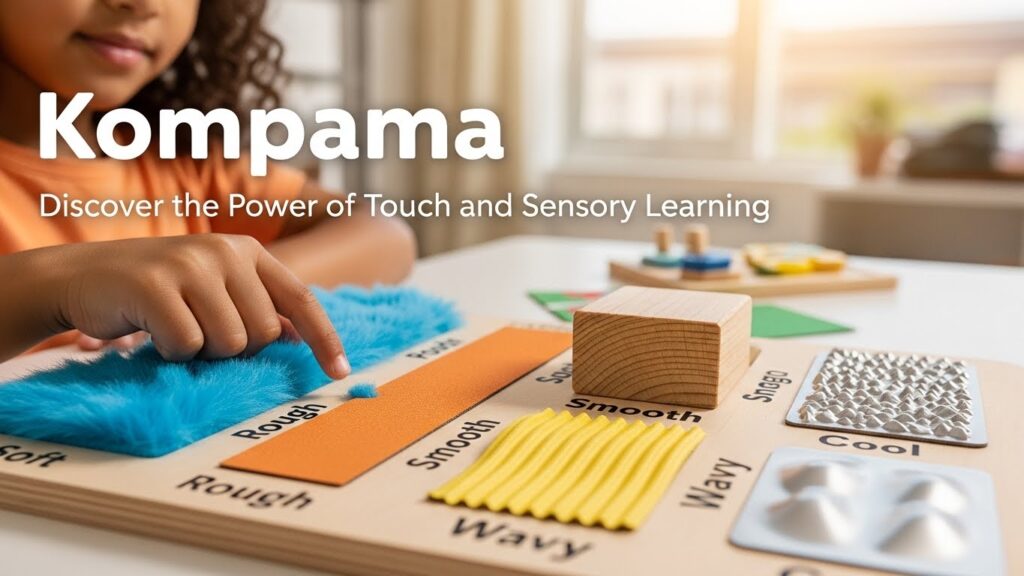
In a world where screens dominate our everyday lives, the power of touch and sensory experiences is often overlooked. Enter Kompama—a transformative approach that harnesses the magic of tactile learning for children. This innovative method encourages exploration, creativity, and connection through hands-on activities and sensory-rich environments. As parents and educators look for ways to enhance child development, Kompama emerges as a beacon of hope. It invites us to rediscover the importance of touch in learning while fostering emotional intelligence and curiosity in little ones. Join us on this journey to uncover how Kompama can revolutionize your child’s growth through delightful engagement with their senses!
What is Kompama?
Kompama is an innovative approach designed to enhance learning through sensory and tactile experiences. It emphasizes the significance of touch in child development, blending play with education.
At its core, Kompama recognizes that children learn best when they can engage their senses. This method encourages exploration and hands-on interaction with various materials, fostering creativity and curiosity.
Through structured activities, kids can experience textures, sounds, and movements that stimulate their brains. Each element of Kompama aims to create a rich environment where children feel safe to explore.
The name itself reflects a harmony between companionship and engagement—a promise that learning will be joyful rather than daunting. In essence, Kompama empowers young minds by nurturing their innate desire to discover the world around them through active participation.
The Science Behind Touch and Sensory Learning
Research reveals that touch plays a vital role in how children learn and interact with the world around them. The skin is rich with sensory receptors, making it an essential channel for gathering information.
When kids engage in tactile experiences, they stimulate brain development. This process enhances cognitive functions such as memory and problem-solving.
Sensory learning encourages exploration. It allows children to connect concepts through hands-on activities, fostering creativity and critical thinking skills.
Moreover, studies show that sensory-rich environments can improve focus and reduce anxiety. They promote emotional well-being by creating safe spaces for expression.
Touch activates neural pathways linked to emotions too. Positive interactions through play build trust and social connections among peers while nurturing empathy and understanding.
Integrating touch into learning solidifies knowledge retention by creating lasting memories tied to physical experiences.
Benefits of Kompama for Children
Kompama offers a range of benefits that can significantly enhance children’s development. Engaging with sensory learning promotes cognitive growth. Children learn to process information through touch, which reinforces their understanding and retention.
Social skills also flourish within a Kompama framework. When kids interact during these activities, they build friendships and learn the value of teamwork. Communication improves as they express their thoughts and emotions while participating in group tasks.
Moreover, sensory experiences help children regulate their emotions better. The tactile elements provide comfort and focus, reducing anxiety levels during stressful moments.
Creativity is another area where Kompama shines brightly. By exploring different textures and sensations, children unleash their imagination in ways that traditional methods often overlook.
Physical coordination gets a boost too! Activities involving various materials enhance fine motor skills essential for everyday tasks like writing or buttoning clothes.
How to Incorporate Kompama into Daily Routines
Incorporating Kompama into daily routines can be both fun and beneficial. Start with morning rituals. Use tactile materials like soft fabrics or textured toys during breakfast time to engage your child’s senses right from the start.
During playtime, set up a sensory corner at home. Include items that promote touch exploration, such as play dough, sand, or water beads. This creates an inviting space for creative learning.
Storytime is another great opportunity. Choose books with different textures that children can feel as you read together. It makes storytelling more interactive and enjoyable.
While cooking, involve your child in hands-on tasks like kneading dough or mixing ingredients. They will appreciate the experience while developing their fine motor skills.
Bedtime routines can feature calming sensory activities like gentle massage or using weighted blankets to help them wind down effectively before sleep.
Kompama Activities and Games for Children
Kompama offers a treasure trove of activities that engage children’s senses. One delightful game is the “Texture Hunt.” Kids explore their environment to find objects with various textures, such as smooth stones, soft fabric, or rough bark.
Another fun activity is “Mystery Boxes.” Fill several boxes with different materials and have children guess what’s inside by touch alone. This enhances tactile awareness and sparks curiosity.
The “Scented Sensory Station” can also be an exciting addition. Use jars filled with spices or herbs for kids to smell and identify. It encourages exploration while expanding their sensory vocabulary.
For outdoor play, create a “Nature Obstacle Course.” Incorporate elements like grass, sand, and water to stimulate multiple senses during physical activity.
These activities not only entertain but also foster essential skills in children through creative sensory learning experiences.
Testimonials from Parents and Educators
Parents have been amazed at the transformations they see in their children. One mother shared how her son, once hesitant to engage with others, now thrives during playtime. The tactile experiences of Kompama helped him break out of his shell.
Educators also report significant changes in classroom dynamics. A teacher noted that children who struggled with focus became more attentive and involved when using sensory activities from Kompama. It’s as if a spark ignited their curiosity.
Another parent highlighted the calming effects on her daughter, who often felt overwhelmed by noise and chaos. With the gentle touch techniques of Kompama, she found a sense of peace and balance.
These testimonials illustrate not just growth but joy—a deeper connection between kids and learning through touch-based experiences. Each story adds another layer to understanding its impact on child development in diverse settings.
Conclusion: The Impact of Kompama on Child Development
Kompama has emerged as a transformative approach in the realm of child development. By leveraging the power of touch and sensory experiences, it opens up new avenues for learning and growth. Children engaging with Kompama can enhance their cognitive abilities while also nurturing emotional intelligence.
The benefits of this method are evident not just in academic settings but also at home. Parents and educators alike have observed noticeable improvements in focus, creativity, and social interactions among children who participate in Kompama activities. This hands-on approach encourages exploration, curiosity, and independence—all essential traits for future success.