
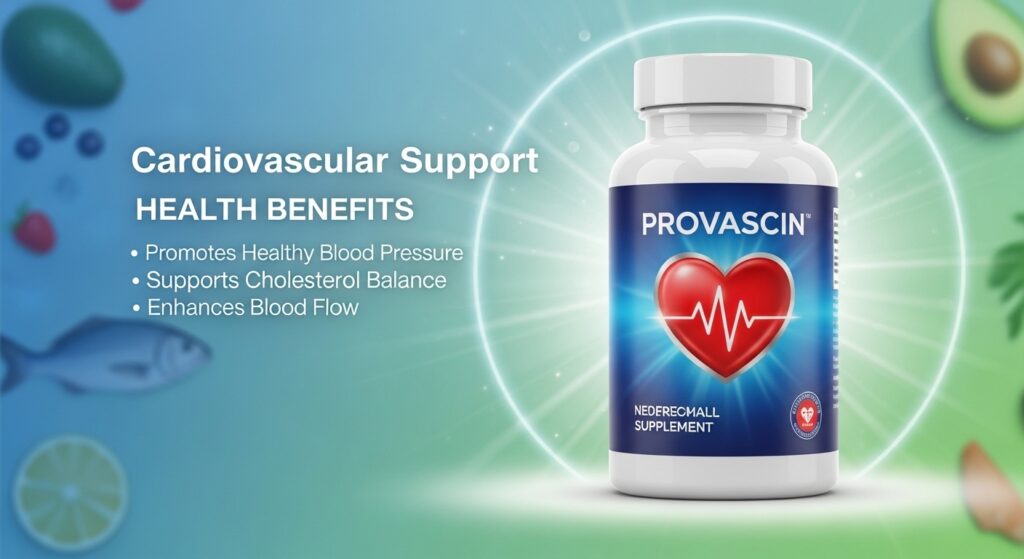
Cardiovascular health remains one of the most critical determinants of long-term wellness, and Provascin has emerged in recent years as a nutritional strategy marketed to support heart function, cholesterol balance, and overall circulatory health. Understanding what Provascin is, how it works, and where it stands in the broader landscape of heart support options is essential for anyone seeking informed choices. This comprehensive review examines the scientific context, active components, real-world experiences, safety considerations, and how Provascin may fit into a heart-healthy lifestyle.
What Is Provascin and How Does It Work for Cardiovascular Support?
Understanding Provascin begins with recognizing that it is not a drug but a dietary supplement designed to complement heart-healthy habits. Unlike prescription medications, which directly target physiological pathways like cholesterol synthesis or blood pressure regulation, Provascin typically relies on nutrient combinations and antioxidant compounds intended to support cardiovascular function indirectly. Dietary formulations labeled as Provascin often include compounds such as Coenzyme Q10, L-Carnitine, antioxidant extracts, and metabolic cofactors that may help with vascular resilience and lipid balance.
The concept behind Provascin is to provide cellular support through nutrition so that the heart, blood vessels, and metabolic systems can operate more efficiently. This mechanism emphasizes balanced blood flow, reduced oxidative stress, and metabolic support for energy production. Most dietary supplements of this type are intended to serve as adjuncts, meaning they work alongside lifestyle measures such as diet, exercise, stress management, and medical care.
Historical Context Behind Heart Health Supplements Like Provascin
The use of plant extracts, antioxidant compounds, and micronutrients for heart support is rooted in both traditional medicine and modern nutritional science. Long before scientific laboratories quantified nutrient pathways, herbal extracts and plant-based remedies were used in various cultures to support circulatory wellness and overall vitality. Provascin-style formulations often draw from this heritage while integrating contemporary research on antioxidants and cellular metabolic cofactors.
Over the past few decades, interest in natural cardiovascular support has grown alongside concerns about chronic disease and lifestyle-related risk factors. This has led to a proliferation of supplements that target vascular health, blood pressure balance, lipid profiles, inflammation reduction, and metabolic wellness. In that context, supplements branded as Provascin have positioned themselves as comprehensive blends that seek to address multiple aspects of cardiovascular support simultaneously.
Key Ingredients in Provascin and Their Roles in Heart Health
When evaluating any cardiovascular support product, including Provascin, understanding the active components and how they may contribute to heart health is crucial. Although specific formulas may vary, many Provascin supplements include a mix of nutrients, antioxidants, and metabolic factors that have been studied individually for their potential cardiovascular effects.
The table below outlines some common categories of ingredients found in Provascin-type formulations, with descriptions of their roles and potential mechanisms of action:
| Ingredient Category | Primary Function | Potential Cardiovascular Role |
|---|---|---|
| Coenzyme Q10 | Cellular energy support | Helps heart muscle energy production and may aid blood vessel function |
| L-Carnitine | Fatty acid transport into mitochondria | Supports metabolic energy use and endurance |
| Antioxidant extracts | Oxidative stress reduction | Protects cells from damage associated with cardiovascular risk |
| Betaine | Homocysteine management | Helps promote healthy vascular integrity |
| Green tea & grape seed extracts | Polyphenol antioxidants | May support circulation and lipid balance |
| Plant sterols | Cholesterol absorption modulation | Can assist in healthy lipid ratios |
This table highlights that ingredients associated with Provascin generally aim to support multiple facets of cardiovascular health, even though the degree of clinical evidence for each may vary.
Benefits Associated With Provascin Based on Nutrient Function
When reviewing Provascin, it is helpful to separate potential benefits into categories based on known physiological effects of the ingredients involved. Heart health is multifaceted, involving blood flow, lipid balance, oxidative regulation, metabolic activity, and overall vascular resilience. Realistic expectations about what supplements can do are important, as they are intended to support rather than replace medical interventions when needed.
The table below shows typical areas of cardiovascular support and how Provascin ingredients contribute:
| Support Category | How Provascin Ingredients Contribute |
|---|---|
| Circulation and Blood Flow | Antioxidants promote vessel flexibility and reduce oxidative damage |
| Lipid Balance | Plant sterols and cofactors may assist cholesterol ratios |
| Metabolic Energy | Coenzyme Q10 and L-Carnitine enhance cellular energy capacity |
| Vascular Health | Polyphenols from extracts support endothelial function |
| Oxidative Stress Regulation | Broad antioxidant activity reduces cellular stress |
It is important to note that while individual ingredients may have supportive roles, scientific consensus about the combined product’s overall impact is still developing. Many studies explore individual nutrients rather than entire proprietary blends, and this limitation applies to Provascin-style supplements as well.
Scientific Evidence and Limitations Around Provascin and Similar Heart Support Supplements
Scientific research into dietary supplements that support cardiovascular health includes studies on antioxidant compounds, micronutrients, and plant extracts. Many of these studies show promising mechanisms, such as improved endothelial function or reduced oxidative stress. However, the overall evidence base remains mixed for most supplements when it comes to large-scale clinical outcomes, such as reduced incidence of cardiovascular events or long-term heart disease progression.
Notably, some large studies have concluded that common vitamin supplementation alone does not significantly reduce major cardiovascular outcomes like heart attack or stroke. However, these findings do not directly apply to all combinations of nutrients or all specific formulas, and research continues to explore how various compounds may interact physiologically. For Provascin specifically, comprehensive clinical trials comparing its full formula to placebo or standard care are limited. This means that while certain ingredients have documented effects in clinical research, the full supplement’s impact on heart health outcomes remains less established. It is therefore best understood as a supportive nutritional strategy rather than a proven therapeutic intervention.
Safety, Side Effects, and Precautions With Provascin Use
Like many dietary supplements intended for cardiovascular support, Provascin is generally well tolerated in most individuals when used according to recommended dosages. Because these products often rely on natural compounds, they may pose fewer risks than pharmaceuticals. However, safety considerations are still important. One key area of caution relates to interactions with medications, especially blood thinners or anticoagulants, as certain ingredients may influence clotting or circulation. Individuals taking prescription medications for heart disease, high blood pressure, or clotting disorders should consult a healthcare provider before using Provascin. In addition, excessive intake of antioxidants, or combining multiple supplements without guidance, can sometimes lead to unintended health effects. Adhering to recommended dosing, consulting with a professional, and integrating supplementation into a broader healthy lifestyle are essential steps for safety and effectiveness.
Comparing Provascin to Lifestyle and Clinical Heart Health Strategies
Supplements like Provascin are one part of a multifaceted approach to cardiovascular wellness. Evidence-based strategies such as maintaining a balanced diet rich in whole foods, engaging in regular physical activity, managing stress, and adhering to medical care recommendations remain essential. Provascin and similar supplements are best viewed as complementary to these foundational practices rather than replacements.
The following table contrasts some key lifestyle and clinical approaches to heart health with how Provascin might fit into the picture:
| Heart Health Strategy | Role in Wellness | Relationship to Provascin |
|---|---|---|
| Balanced Diet with Omega-3s | Foundational support | Provascin may complement nutritional intake |
| Regular Aerobic Exercise | Improves circulation & heart function | Works in synergy with metabolic support |
| Blood Pressure Management | Clinical priority | Provascin supports balanced vascular function |
| Prescription Medications | Standard therapeutic intervention | Provascin is a supportive adjunct |
| Stress Management | Reduces cardiovascular strain | Supplements may assist overall wellness |
Understanding these relationships illustrates that Provascin is not an alternative to lifestyle or medical care, but rather part of a comprehensive health plan.
Consumer Experiences and Feedback on Provascin
Although scientific evidence is still building, many consumers share personal experiences after using products labeled as Provascin. These anecdotal reports often mention perceived improvements in circulation comfort, energy levels, and feelings of overall vitality. Some users also report better cholesterol balance when supplements are combined with healthy habits. At the same time, reviews are mixed among individuals. With some noting little change or attributing results to dietary and lifestyle adjustments rather than supplementation alone. This variation highlights that individual response can depend on baseline health, consistency of use, and complementary lifestyle factors.
Who Might Consider Provascin as Part of a Heart Health Plan?
Provascin may be considered by those looking to support cardiovascular health with natural compounds, particularly individuals who are proactive about wellness and already engage in diet and exercise practices. It might also appeal to people seeking antioxidant support, vascular resilience, or metabolic energy assistance. However, it is not appropriate for individuals with unstable cardiovascular conditions or those replacing prescribed medical therapies with supplementation. For anyone with existing health concerns or medication use, professional consultation is advised.
Practical Tips for Integrating Provascin Into a Health Routine
Integrating Provascin into daily wellness requires intentional planning rather than casual use. Consistency matters, as nutrient-based supplements tend to show gradual effects over weeks rather than sudden changes. Taking supplements with meals, maintaining hydration, and monitoring any changes in health outcomes are practical strategies. Combining Provascin use with balanced nutrition. Including fiber-rich plant foods, heart-healthy fats, regular physical activity, adequate sleep, and stress management techniques. Will support a well-rounded cardiovascular wellness plan.
Conclusion: Balancing Expectations With Informed Use of Provascin
In summary, Provascin highlights that Provascin stands as a thoughtful nutritional supplement designed to support heart function, circulation, lipid balance, and oxidative resilience. Its ingredients often draw from traditional and scientific sources that show promise in promoting various aspects of cardiovascular health. While direct evidence on the full product’s clinical outcomes is still evolving. Provascin may offer meaningful support when paired with a healthy lifestyle and appropriate medical care. Understanding its role, limitations, and safety considerations allows individuals to make informed decisions that align with their health goals.