
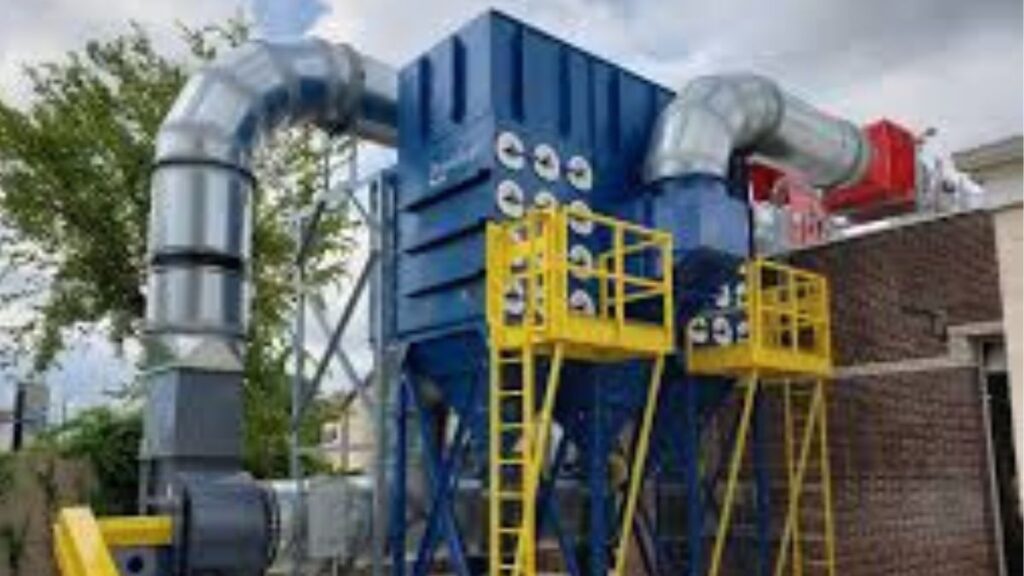
Modern manufacturing facilities must prioritize maintaining a clean and safe environment to protect both employees and equipment. Advanced dust collection solutions help manufacturing operations achieve these goals while also improving productivity and product quality. Integrating robust systems, such as the Airblast AFC Media Blast, into your facility can improve dust management, support workplace safety, and enhance regulatory compliance.
By investing in the right dust collection technologies, manufacturers minimize risks from airborne particles, reduce maintenance interruptions, and enhance the operational environment for staff and machinery alike. With rapid advancements in filtration, monitoring, and system controls, achieving highly efficient dust management is easier than ever for companies committed to best practices. Implementing modern dust collection systems improves not only safety and compliance but also cost efficiency throughout the production process.
Importance of Dust Collection
Dust buildup within manufacturing facilities poses significant risks to both worker safety and production efficiency. Fine particulates can harm respiratory health, elevate the risk of fire and explosions, and cause premature equipment wear or malfunctions. In addition, excessive dust can contaminate finished products, leading to quality control issues and potential financial losses.
Modern facilities cannot afford to overlook dust management. Effective dust collection systems not only protect workers from occupational hazards but also ensure machinery continues to run smoothly, thereby limiting unplanned downtime. Proactive dust collection is increasingly recognized as essential for safeguarding both people and operational investments.
Advanced Filtration Technologies
Innovation in dust collection has led to the adoption of intelligent, advanced filtration options capable of capturing even the smallest airborne particles. Cartridge dust collectors, for example, are favored for their exceptional efficiency and compact design, enabling facilities to save space and energy. These collectors can filter out up to 99.9 percent of particles as small as 0.3 microns, offering a higher performance than traditional baghouse systems.
High-efficiency particulate air (HEPA) filters are also crucial for applications that demand exceptional air purity, helping facilities comply with stringent air quality standards. Investing in advanced filtration not only improves worker health but also enhances the reliability of sensitive equipment across the production line. For manufacturers seeking long-term, cost-effective solutions, updating filtration systems to the latest technology is a critical step toward continuous improvement. For additional information on filtration standards, visit the EPA’s page on HEPA filters.
Smart Monitoring and Control Systems
Advanced dust collection is not just about filtration but also real-time monitoring and intelligent control. Integrating innovative technologies, such as sensors paired with Human-Machine Interface (HMI) and Supervisory Control and Data Acquisition (SCADA) systems, enables continuous monitoring of system performance. These technologies detect filter pressure, airflow, and particulate loads, alerting operators when maintenance is required or when anomalies occur.
This ongoing data collection enables predictive maintenance, reduces operational disruptions, and ensures compliance with environmental standards. As IndustryWeek notes, adapting such innovative solutions gives manufacturers a strategic edge by maintaining optimal system efficiency and proactively preventing costly equipment failures. For further reading, see IndustryWeek’s coverage of innovative factory dust solutions.
Energy-Efficient Designs
Rising energy costs and sustainability demands are driving manufacturers to adopt more energy-efficient dust-collection designs. One key feature is the use of variable-frequency drives (VFDs), which automatically adjust fan speeds to meet the exact requirements of the facility. By running equipment only as hard as needed, energy consumption drops by up to 40 percent compared to legacy fixed-speed approaches.
Proper system sizing, the use of low-resistance ductwork, and periodic review of system loads also contribute to better energy outcomes. These strategies help manufacturers reduce both operating costs and the facility’s overall environmental footprint, contributing to corporate responsibility goals while enhancing profitability.
Regular Maintenance and Upgrades
Maintaining dust collection systems is crucial for their continued efficiency and longevity. Scheduled inspections, filter replacements, and the adoption of improved components (like modern pulse valves) extend system life and reduce air leakage. Neglecting maintenance can lead to chronic inefficiencies, increased energy consumption, and unexpected failures that disrupt production.
Continuous improvement through upgrades is another best practice. When facilities regularly evaluate the performance of their dust collection assets, they are better positioned to adopt new technologies and replace failing parts before they cause broader problems. Periodic system audits can identify opportunities to save energy and reduce maintenance costs, ensuring peak performance over the long term.
Compliance with Regulations
Dust collection is closely regulated across a variety of industries. The Occupational Safety and Health Administration (OSHA), the Environmental Protection Agency (EPA), and other regional bodies set standards for air quality, worker exposure, and emissions. Modern dust collection systems are designed to help companies meet these regulatory requirements, keeping facilities on the right side of the law while protecting the workforce and the surrounding environment.
Failure to comply can lead to fines, legal issues, and reputational damage. Staying up to date with evolving regulations is a must, and leveraging systems designed with compliance in mind simplifies this aspect of facility management.
Case Studies of Successful Implementations
Real-world success stories underscore the benefits of modern dust-collection investments. One woodworking business installed a high-capacity pulse-jet dust collector rated at 56,000 CFM, resulting in round-the-clock, reliable operation and unparalleled efficiency. Their commitment to leading-edge technology resulted in cleaner air, improved safety, and minimal downtime. These outcomes demonstrate the direct return on investment that advanced dust collection systems can deliver.
Manufacturers across sectors, from pharmaceuticals to heavy industry, are seeing similar benefits by aligning their dust management strategies with modern best practices. With the right systems in place, companies can achieve both compliance and operational excellence.
Conclusion
Choosing and maintaining efficient dust-collection solutions is essential in modern manufacturing environments that value safety, quality, and operational excellence. By embracing advanced filtration, smart controls, energy savings, consistent upkeep, and regulatory compliance, manufacturers can transform workplaces into cleaner, safer, and more productive spaces. Proactive dust collection planning is an investment that delivers long-term dividends for both people and profit.