
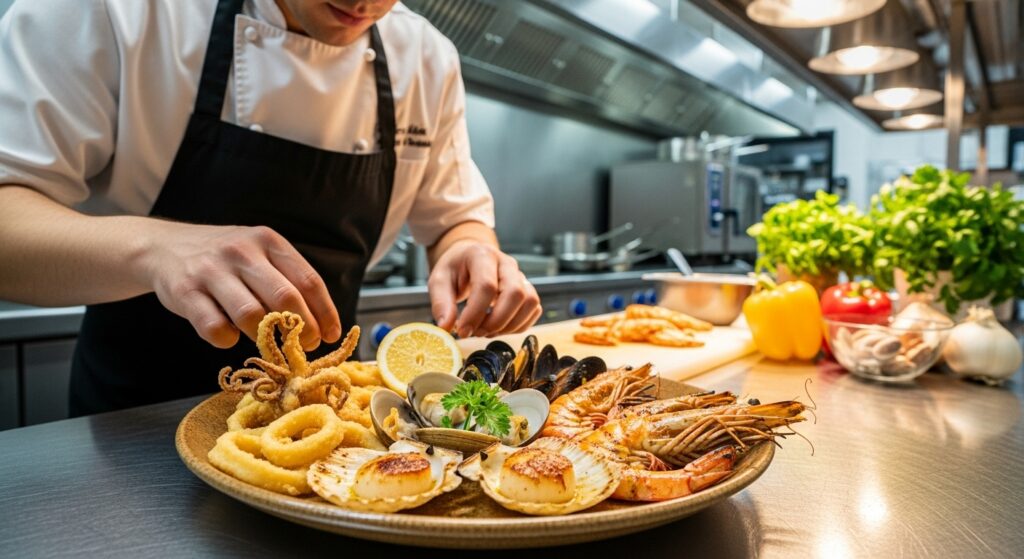
Calamariere is more than just a dish; it’s an art form steeped in tradition and bursting with flavor. Imagine tender, perfectly cooked squid paired with vibrant spices and fresh ingredients, all coming together to create a symphony for your taste buds. Whether you’re entertaining guests or simply indulging yourself, calamariere promises to elevate any dining experience.
This delightful seafood dish has captured the hearts of food lovers around the world. Its rich history and diverse regional variations make it not only delicious but also fascinating. As we dive deeper into the culinary journey of calamariere, prepare yourself to learn how to master this classic recipe while adding your own unique twist along the way. Join us as we explore everything from essential ingredients to expert tips—your adventure into the world of calamariere starts now!
The History and Origins of Calamariere
Calamariere has deep roots in Mediterranean cuisine. This dish is primarily associated with coastal regions where fresh seafood is abundant. The name itself hints at its origins, deriving from “calamari,” or squid, a staple ingredient.
Historically, calamari was popularized by Italian and Spanish fishermen who sought to create flavorful meals that celebrated their catch. Over time, recipes evolved as cultures blended through trade and migration.
In the 19th century, calamariere began appearing in cookbooks across Italy. Home cooks embraced it for its simplicity and versatility. Each family added personal touches—some preferred spicy marinades while others leaned towards zesty lemon flavors.
Today, this beloved dish embodies both tradition and innovation. It reflects the culinary journey of generations dedicated to perfecting a recipe steeped in history yet always ripe for reinterpretation.
Essential Ingredients and Tools for Making Calamariere
To craft a delightful calamariere, you’ll need fresh ingredients that sing of the sea. Begin with tender squid—look for ones that are firm and shiny. Their mild flavor is essential to the dish.
Next, gather aromatic garlic and vibrant parsley. These herbs elevate your seafood experience, infusing it with warmth and freshness.
Don’t forget about flour! It’s crucial for creating a light batter that crisps beautifully during frying. A sprinkle of paprika adds just the right touch of smokiness.
For tools, ensure you have a sharp knife for cleaning the squid properly. A deep skillet or fryer will be key in achieving that perfect golden crust.
Use tongs to handle hot squid safely while cooking; they’re your best friend when flipping those delicate rings in sizzling oil. Each piece needs gentle care to maintain its tenderness throughout preparation.
A Step-by-Step Guide to Preparing a Traditional Calamariere Dish
Start by choosing fresh calamari. Look for firm, shiny squid with a pleasant ocean scent. Clean the calamari thoroughly, removing the innards and skin.
Next, prepare your batter. Combine flour with salt, pepper, and a hint of paprika for flavor. Whisk in some cold sparkling water to create a light and airy texture.
Heat oil in a deep pan until it reaches about 350°F (175°C). Dip each piece of calamari into the batter, ensuring they’re evenly coated before gently lowering them into the hot oil.
Fry them until golden brown—this should take just two to three minutes. Avoid overcrowding the pan; work in batches if necessary.
Once done, place them on paper towels to absorb excess oil. Serve immediately while they’re still crispy and warm!
Variations and Adaptations: Modern Twists on the Classic Recipe
Calamariere is a beloved dish steeped in tradition, but the culinary world thrives on creativity. Chefs and home cooks alike are experimenting with new ingredients and techniques to offer modern twists.
Consider incorporating spicy chorizo or smoked paprika for an exciting flavor boost. These additions can elevate the classic taste profile, providing warmth and depth that surprises the palate.
For those looking to lighten up their meal, zucchini noodles can replace traditional pasta. This swap maintains texture while adding freshness. Pair it with a zesty lemon-garlic sauce for added zing.
Vegetarian versions have also emerged, using roasted vegetables like eggplant or mushrooms as substitutes for squid. The rich umami flavors meld beautifully, creating a satisfying dish without seafood.
These adaptations keep Calamariere lively and relevant in today’s dining scene while honoring its roots. Each variation invites exploration and excitement at the dinner table!
Pairing Suggestions: Best Wine and Side Dishes to Complement Calamariere
When it comes to pairing wine with calamariere, nothing beats a crisp white. A Sauvignon Blanc offers bright acidity that cuts through the richness of the dish. Alternatively, a light Pinot Grigio can enhance the seafood flavors beautifully.
For those who prefer red, consider a chilled Gamay or Pinot Noir. These wines provide subtle fruit notes without overpowering the delicate taste of calamariere.
Side dishes play an essential role in elevating this meal. Fresh arugula salad drizzled with lemon vinaigrette adds a refreshing contrast. You might also serve roasted vegetables seasoned with herbs for an earthy complement.
If you’re looking for something heartier, garlic-infused mashed potatoes create a comforting balance alongside calamariere’s texture and taste. Each option enhances your dining experience while allowing this classic dish to shine on its own merit.
Tips and Tricks for Perfecting Your Calamariere
To perfect your Calamariere, freshness is key. Always choose the freshest squid you can find. Check for a mild ocean scent and firm texture.
Preparation matters too. Clean the squid thoroughly to remove any grit or impurities. A well-prepared calamari ensures a delightful dish.
Cooking time is crucial; overcooked calamari becomes rubbery. Aim for just a few minutes in hot oil or broth until it’s tender yet firm.
Don’t forget seasoning! Simple salt and pepper work wonders, but feel free to experiment with herbs like parsley or spices such as paprika for added depth.
Presentation elevates your dish. Arrange your calamari on a vibrant plate with fresh lemon wedges and colorful garnish to entice both eye and palate.
Conclusion
Calamariere is more than just a dish; it’s a celebration of flavors and tradition that brings people together. Whether you’re following the classic recipe or putting your own twist on it, this seafood delight offers endless possibilities.
As you embark on your culinary journey with calamariere, remember to embrace both its rich history and modern adaptations. The essential ingredients combine beautifully to create an unforgettable experience for your taste buds. Paired with the right wine and sides, every meal can transform into a special occasion.
With tips and tricks in hand, you’ll be well-equipped to impress family and friends alike. So gather your ingredients, invite loved ones over, and dive into the art of crafting delectable calamariere that resonates with flavor and warmth. Enjoy every moment spent in the kitchen as well as at the table—because food tastes best when shared!