
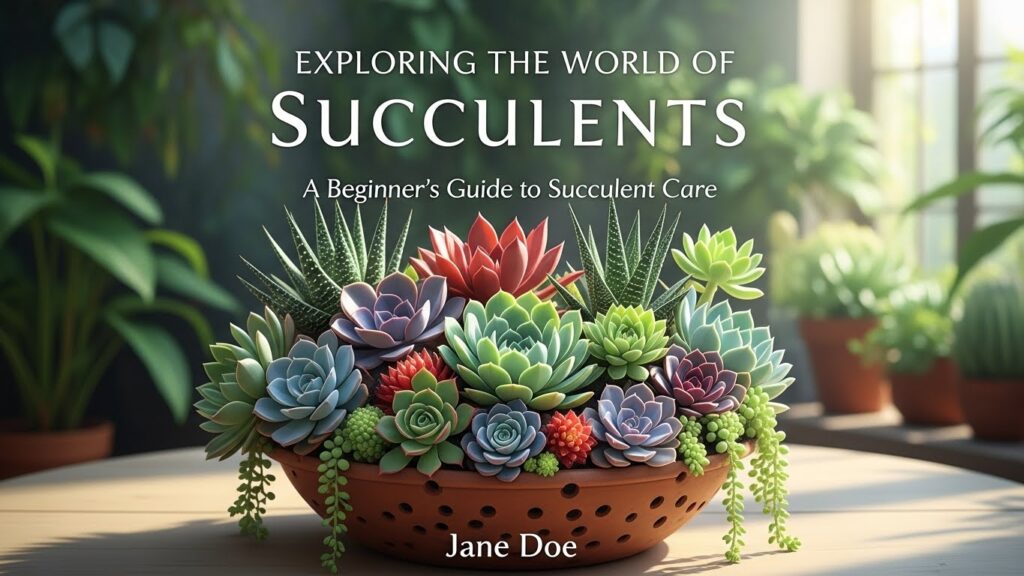
Welcome to the vibrant world of suçculent plants! These enchanting green wonders have taken the gardening community by storm, and it’s no mystery why. With their unique shapes, stunning colors, and remarkable resilience, suçculents are perfect for both novice plant enthusiasts and seasoned gardeners alike. Whether you’re looking to brighten up your home or add a touch of nature to your workspace, these low-maintenance beauties fit seamlessly into any environment.
As we dive deeper into this guide on succulent care, you’ll discover everything you need to know about nurturing these delightful plants. From understanding their distinct characteristics to exploring creative display ideas and identifying popular types—this journey is designed just for you. So grab your watering can and let’s embark on an adventure through the fascinating realm of suçculents!
What Are Suçculent Plants?
Suçculent plants are a unique group of flora known for their thick, fleshy leaves and stems. These adaptations allow them to store water efficiently, enabling them to thrive in arid environments. This remarkable feature is what sets suçculents apart from other plants.
There are over 10,000 species of suçculents, making up various families such as Cactaceae (cacti), Crassulaceae (jade plants), and Euphorbiaceae. Each family presents a wide range of shapes, colors, and sizes that appeal to diverse gardening preferences. From small rosettes to towering cacti, the variety is truly astonishing.
Common characteristics include their ability to survive prolonged periods without water. Suçculents often exhibit vibrant hues due to pigments that develop under intense sunlight or dry conditions. These stunning visuals make them popular choices for indoor gardens and outdoor landscapes alike.
Another fascinating aspect of suçculent plants is their growth habit. Many species grow slowly but can live for years with proper care—some even decades! Their longevity adds value for plant lovers who want companionship through time.
Due to these traits and their adaptability, suçculent plants have become symbols of resilience in the natural world while captivating enthusiasts globally with their beauty and charm.
Why Suçculent Plants Are Popular
Suçculent plants have taken the gardening world by storm. Their unique charm and low-maintenance nature make them appealing to both novice gardeners and seasoned plant enthusiasts alike. These hardy plants thrive in various environments, which adds to their allure.
One major reason for their popularity is their incredible resilience. Suçculents store water in their leaves, stems, or roots, allowing them to endure periods of drought. This adaptability makes them perfect for those with busy lifestyles who may not have time for regular watering.
Moreover, these plants come in an array of shapes, colors, and sizes. From plump Echeverias to delicate Haworthias, there’s a suçculent for every aesthetic preference. Their striking appearance can enhance any indoor or outdoor space.
Suçculents are also incredibly versatile when it comes to display options. They can be arranged in pots, terrariums, or even used as centerpieces on tables. This flexibility allows individuals to get creative with how they showcase these beautiful plants.
The community surrounding suçculent care has blossomed into a vibrant culture filled with sharing tips and techniques online and at local meetups. The joy of growing these delightful plants fosters connections among enthusiasts worldwide.
How to Care for Suçculent Plants
Caring for suçculent plants is easier than you might think. These resilient plants thrive in a variety of environments, making them perfect for beginners. The first rule of thumb is to provide well-draining soil. A cactus mix or a potting mix designed specifically for succulents will ensure excess water drains away, preventing root rot.
Watering is another crucial aspect of succulent care. Succulents prefer infrequent watering; it’s best to let the soil dry out completely between waterings. During warmer months, every two weeks should suffice, while in winter, you can cut back even more.
Light conditions play a significant role in their health too. Suçculent plants love bright, indirect sunlight but can also adapt to direct light if gradually introduced. Placing them near south or west-facing windows usually provides optimal lighting.
Temperature and humidity are worth considering as well. Most suçculent varieties thrive in temperatures ranging from 60°F to 80°F (15°C – 27°C). They generally prefer low humidity levels and good air circulation.
Pay attention to pests and diseases that may affect your succulent garden. Regularly inspect your plants for signs of infestations like mealybugs or aphids and take action promptly if needed.
Creative Ways to Display Suçculent Plants
Displaying suçculent plants can elevate the aesthetic of any space. One trendy option is to use unique containers. Think outside the box with items like teacups, mason jars, or even old wooden crates. These unconventional pots add character and charm to your home decor.
Another creative method involves vertical gardening. Wall-mounted planters are an excellent way to save space while showcasing your suçculents. You can create a stunning living wall by arranging various types in different heights and colors, turning a bare wall into a vibrant focal point.
If you’re feeling crafty, try creating terrariums. A glass container allows you to layer soil, rocks, and different suçculents for an eye-catching display that mimics natural environments. This style not only looks beautiful but also creates a mini-ecosystem that’s easy to maintain.
Hanging displays offer another stylish approach for limited spaces. Use macramé hangers or shelves suspended from the ceiling or walls to feature your plants at varying levels. This technique draws attention upwards while adding depth and dimension.
Consider grouping multiple plants together on trays or decorative stands. Mix sizes and varieties for visual interest while ensuring they have similar light requirements for optimal health.
Conclusion
When exploring the world of suçculent plants, it’s essential to familiarize yourself with some common types that can add beauty and variety to your collection.
One popular option is the Echeveria. Known for its rosette shape and vibrant colors, this succulent thrives in bright light and can come in various shades from green to pink. Another favorite is the Jade Plant (Crassula ovata). It’s not only visually appealing but also considered a symbol of good luck.
Aloe Vera is another well-known succulent, celebrated for its medicinal properties as much as its striking appearance. The fleshy leaves are filled with a soothing gel that can be used for skin ailments.
If you’re looking for something unique, consider adding a Lithops to your collection. These “living stones” mimic their rocky environment perfectly and require minimal care.
There’s the Haworthia genus, which features small rosettes adorned with distinctive white stripes or bumps. This plant does well in low-light conditions and is perfect for indoor settings.
By understanding these common types of suçculents, you can choose plants that fit both your aesthetic preferences and care capabilities—ensuring you enjoy all the benefits they bring!