
In today’s rapidly evolving digital landscape, nonprofits face a distinctive set of challenges that require creative, forward-thinking solutions. Gone are the days when surviving on outdated technology was an option; embracing future-ready IT support is now a fundamental necessity for organizations striving to maximize their mission impact, ensure long-term sustainability, and remain competitive for funding and donor attention. By leveraging digital transformation strategies and collaborating with experienced partners like Design Data Managed IT for nonprofits. Designdata, a leading provider of managed IT services for nonprofits and organizations, can successfully navigate the complexities of modern operations, mitigate risk, and unlock new opportunities for growth and enhanced effectiveness.
Embracing Technology for Growth
Nonprofits that integrate technology early in their strategic planning often experience significant, measurable benefits over time. Studies consistently show that organizations identifying as early adopters of technology are more likely to see diversified revenue streams and greater agility when faced with new challenges. Through cloud services, digital platforms, and data analytics, these organizations can respond to emerging trends and quickly pivot their operations. For example, implementing scalable digital solutions enables the launch of online fundraising campaigns, expands outreach through social media, and fosters stronger connections with donors, volunteers, and partners. This proactive approach to technology isn’t just about keeping current—it’s a catalyst for long-term growth and greater community impact.
AI: A Game-Changer for Efficiency
Artificial Intelligence (AI) is fundamentally changing how nonprofits manage daily operations and serve their stakeholders. By automating repetitive administrative tasks—such as scheduling, data entry, and donor communications—AI technology enables staff to devote more attention to strategic initiatives and complex problem-solving. Take, for example, the case of Unity Environmental University, which implemented an AI-powered service agent capable of providing students with real-time support and swift answers to their questions. The result was not only faster service delivery but also reduced staff workloads and higher student satisfaction rates. In broader organizational terms, AI can assist with tasks such as predictive analytics to forecast donation trends or automate the process of grant applications, enabling leaders to make better decisions and deliver services with greater efficiency.
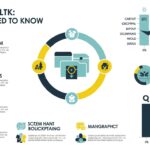
[suggestion]Simple illustration of a nonprofit team using laptops and digital tools, with icons representing AI, cloud data, and cybersecurity, showing technology empowering their work.[/suggestion]
Diversifying Revenue Streams
Depending on a single or limited set of traditional funding sources, such as grants or annual donations, exposes nonprofits to significant financial risk, especially during times of economic instability. Digital tools and platforms now offer creative ways to diversify revenue streams. For instance, Ronald McDonald House Charities effectively utilized digital initiatives by launching campaigns such as “Round-Up for RMHC,” which encouraged small, frequent donations through both online and in-person transactions. This digital-first approach not only raised over $53 million but also expanded donor engagement and loyalty through personalized, automated communications. By leveraging crowdfunding, peer-to-peer fundraising, and virtual events, nonprofits can build more resilient financial foundations and reach entirely new donor segments beyond their immediate geographical area.
Data-Driven Decision Making
Access to real-time, actionable data is transforming how nonprofit leaders and boards make strategic decisions. Modern cloud-based customer relationship management (CRM) systems gather and centralize donor data, program outcomes, and engagement metrics all in one place. This consolidation enables sophisticated analytics, helping organizations understand which fundraising strategies are most effective, where outreach efforts are succeeding, and how to optimize resource allocation for maximum impact. With dashboards and reporting tools, nonprofits can measure the effectiveness of programs, track trends over time, and communicate transparently with stakeholders about results and needs. Ultimately, data-driven approaches enable organizations to refine their missions, adapt more quickly to new challenges, and ensure that donor resources are utilized as efficiently as possible.
Cybersecurity: A Non-Negotiable Priority
With the growing reliance on digital systems, the risk of cyber threats—ranging from phishing scams to ransomware—is ever-present. Nonprofits regularly handle sensitive information, including donor personal data, beneficiary records, and program details; a single breach could not only erode trust but also result in costly regulatory fines and lost funding. Recognizing this, forward-looking organizations are making cybersecurity a core pillar of their operational strategy. Adopting comprehensive security solutions—such as multi-factor authentication, endpoint security, and advanced threat monitoring—coupled with thorough staff training on cyber hygiene, significantly reduces vulnerabilities. IT partners like Designdata help ensure that even modestly resourced nonprofits can access enterprise-grade protections, safeguarding both their assets and their reputations in the community.
Building a Tech-Savvy Culture
For technology to have a sustained, positive impact, it must be deeply integrated into an organization’s culture. Leadership must set the tone by championing digital transformation and prioritizing continuous learning for all staff members. Regular workshops, webinars, and peer-to-peer knowledge-sharing opportunities empower team members to experiment with and adopt new technologies without hesitation. Consistently celebrating small wins—such as a successful virtual fundraising event or a new digital tool that saves staff time—encourages a mindset in which technology is viewed as an asset rather than an obstacle. This proactive, inclusive approach helps every level of the organization gain confidence and adapt more readily to future changes, ultimately advancing the nonprofit’s mission with greater effectiveness and enthusiasm.
Partnering with Experts
Collaborating with experienced IT service providers is one of the most effective ways for nonprofits to bridge the technology gap and remain focused on their core mission. Specialists like Designdata offer managed IT solutions specifically designed for nonprofit needs, including help desk support, cybersecurity, infrastructure management, and digital strategy consulting. By leveraging external expertise, nonprofits can avoid the costs and knowledge gaps often associated with building in-house IT teams. Additionally, expert partners offer guidance on technology planning, software selection, and compliance, ensuring all tech investments are innovative, scalable, and mission-driven. This collaborative relationship ensures that technology acts as a powerful enabler for social good, rather than a distraction or a persistent source of frustration.
Conclusion
Investing in future-ready IT support isn’t just about keeping up with trends—it’s about empowering your nonprofit to fulfill its mission with greater impact, resilience, and agility. By adopting innovative technologies, building data-driven practices, strengthening security, and developing a tech-empowered culture, nonprofits can respond to change with confidence and serve their communities more effectively for years to come. The guidance and solutions provided by partners like Designdata demonstrate that with the proper support, every nonprofit—regardless of size or technical expertise—can thrive in today’s dynamic digital landscape.