When you read a term, does it pique your interest or make you wonder what it means? Please type “onnilaina.” Interweaving strands of tradition, culture, and contemporary expression, this fascinating word begs further investigation. As we explore its depths, you will learn more about the significance of onnilaina and how it has influenced people and relationships throughout history. Come along with me as we explore the history, meaning, and modern applications of onnilaina.
The origins of Onnilaina and its cultural significance
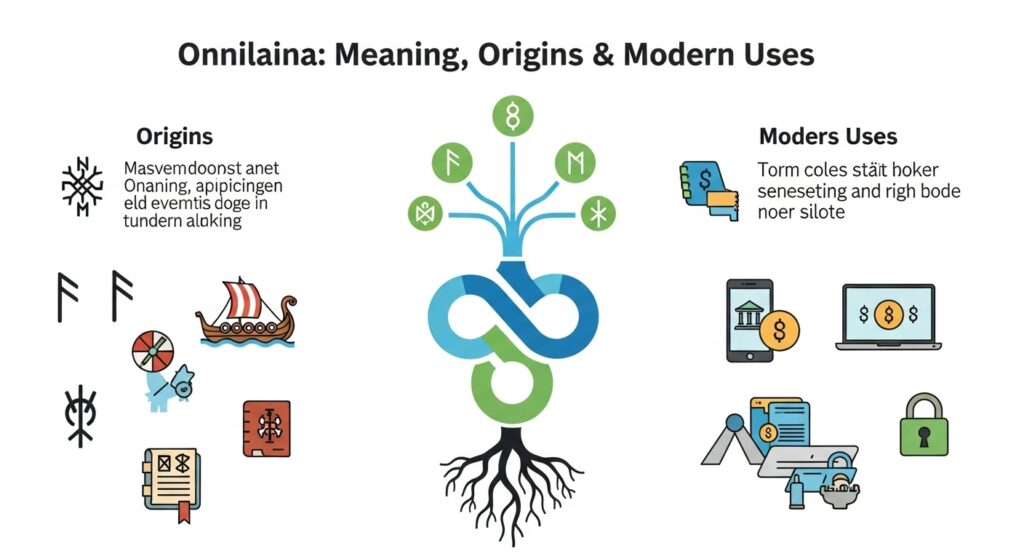
The origins of the name “onnilaina” in Finnish culture can be traced back to the words “onni,” meaning luck or gladness, and “laina,” meaning loan. Borrowing happiness from other people is a lovely idea, and this combination highlights the importance of community and shared experiences.
Folklore and traditional festivities frequently featured Onnilaina in the past. At festivals, when tales were shared, it stood for the unity of families.
The name also captures the essence of the Finnish people, who rally around one another in times of trouble and find inspiration and strength in their shared experiences. It typifies the importance of community in Nordic countries in many respects.
The cultural importance of a language changes as it develops. Even in the face of the difficulties of modern life, Onnilaina is a constant reminder to treasure connections.
How the meaning of Onnilaina has evolved over time
Throughout history, the meaning of Onnilaina has changed dramatically. It originally stood for a strong bond to one’s community and one’s spirituality, and it had its origins in long-ago traditions. The phrase was used to convey common beliefs and group identification.
Its meaning changed as different cultures progressed. There was a change towards self-discovery within cultural contexts, and It came to represent uniqueness and personal progress. More varied uses of the word’s meaning emerged as a result of its development.
When used now, Onnilaina represents both the past and the future. Those who are looking for a harmony between their heritage and the here and now will find it meaningful. Because of its complex web of interpretations, it continues to have contemporary relevance, showing how language changes over time while keeping its essential character.
The dynamic nature of cultural concepts is demonstrated by their continuous evolution as they pass down through the generations, moulding identities in the process.
Modern uses of Onnilaina in different contexts
As evidence of its adaptability, It has made an appearance in a number of contemporary settings. It appears frequently in memes and hashtags on social media. Because of this, people can share feelings that are in harmony with the spirit of happiness and festivity.
Many writers are using Onnilaina as a symbol of joy and harmony in their works. By giving character interactions more nuance, it enhances tales.
Musicians have often used the term in their lyrics to express feelings related to friendship and love. When used in this way, it helps listeners feel more at home.
Branding campaigns that aim to spread positivism also make use of Onnilaina. This word conjures up images of a positive experience, which is why it is used by coffee shops and health firms to lure people seeking solace and happiness.
These various uses highlight how Onnilaina is still relevant today despite breaking new ground.
Examples of popular phrases or sayings using Onnilaina
The deep meaning of onnilaina is shown in the many ways it is woven into numerous phrases and sayings. A common saying goes something like, “Embrace your onnilaina,” which means to value and honour one’s own distinct identity and life experiences.
You may hear people say things like, “Find the beauty in your onnilaina,” in casual conversation. People are reminded to value their cultural heritage and personal journeys through this.
A second interesting proverb is “Let your onnilaina shine.” It is a powerful inspiration to express oneself.
“Creating from onnilaina” is a term used in the art world to describe how an artist’s inspiration comes from their own personal story or their cultural heritage.
These instances show how onnilaina is more than just a word; it gives many people a sense of strength and who they are.
The impact of globalization on the understanding of Onnilaina
The way we understand cultural expressions like “onnilaina” has changed due to globalisation. Borders are becoming less distinct, which speeds up the exchange of languages and ideas. The word’s reach now extends well beyond its original meaning.
Meanings of it change according on the culture in question. It serves as an intermediary that brings together various communities. Individuals from all walks of life bring their own perspectives to bear on it.
An important part of this change is the influence of social media. A simple click allows people to post stories that seamlessly integrate onnilaina into contemporary conversations. Although its relevance is enhanced by this exposure, the original essence runs the danger of becoming watered down.
Appreciation for cultural subtleties grows alongside comprehension. By opening up dialogues around the world, we may better understand the nuances of words like onnilaina and work to appreciate one another’s perspectives.
Conclusion: Why knowing the meaning and history of Onnilaina is important
The rich cultural backdrop of Onnilaina can be better understood by delving into its meaning and history. For many, this is more than a mere name; it conjures up associations with past experiences, feelings, and customs. When we understand its origins, we may better grasp the breadth and depth of its relevance.
Understanding concepts like Onnilaina is crucial for building cross-cultural relationships in an increasingly globalised environment. It promotes better understanding and appreciation among different communities.
By embracing the meaning of words like Onnilaina, we may foster a more inclusive discussion in our interconnected society, bridging gaps across generations and communities. Recognising its origins enhances one’s appreciation for language, whether one encounters it in literature or in daily life.